






Be the first to comment




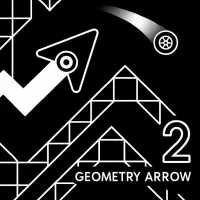
Geometry Arrow 2, an arcade platform game, doesn’t just continue a series; it sharpens it. This sequel transforms the familiar wave-platform formula into something faster, tighter, and far more reactive. Instead of simply surviving patterns, players sculpt movement through corridors that bend, squeeze, and warp around the arrow’s trajectory. Every micro-tap changes the line you draw in space, and that line is the difference between progress and instant reset. What separates this game from look-alike wave platform games is identity through motion. The arrow isn’t just a hitbox; it feels like an instrument. Levels are built around rhythm shifts, gravity flips, and velocity surges that turn the map into a living pressure system. As the speed climbs, the game stops feeling like level navigation and starts feeling like wave riding through controlled chaos. Start now!
The first run feels like freefall. The arrow glides smoothly, then the walls close in. You tap to lift, release to drop, and realize how brutally precise the curve is. One frame too long in the air and you clip the ceiling. One breath too late and the floor wins. Then the game starts playing with your expectations. There are tunnels shaped like promises - wide at the entrance, needle-thin at the exit. There are spike bridges placed exactly where panic wants to correct your arc. Geometry Arrow 2 thrives on that psychological beat: you knew the move, but you didn’t trust it until too late. The deeper you go, the more the arrow feels alive. You stop staring at it directly. You start scanning three obstacles ahead, surfing the invisible rhythm under the map layout. The arrow becomes a pulse instead of a shape: now - wait - up - hold - release - thread through - survive.
Some levels accelerate gradually. Others hit you with instant speed walls that demand reflexes before your brain forms words. The satisfaction doesn’t come from flashy effects, it comes from flying through a brutal sequence cleanly and realizing your hands solved it before your thoughts did. This game isn’t loud about difficulty. It simply raises the stakes until you notice your heartbeat in the quieter parts.
The premise sounds simple on paper: guide an arrow through geometric corridors, avoid hazards, and reach the end. In practice, it becomes a moment-to-moment negotiation with gravity and momentum. Your arrow accelerates, dips, snaps upward, threads between razor-thin gaps, then slams into new speed thresholds with no warning. Levels aren’t just harder; they’re more intentional. Cameras tighten, angles narrow, and obstacles appear exactly where natural instinct wants to move. Geometry Arrow 2 doesn’t punish guessing; it punishes autopilot. You must read ahead, predict the tunnel’s shape, and commit without hesitation.
The sequel introduces:
Use precise wave control to survive obstacle-filled corridors and reach the end of each stage. Timing is everything.
Core mechanics
This sequel is not just “harder levels.” It changes how wave games feel.